

Food for Thought
22 April, 2026
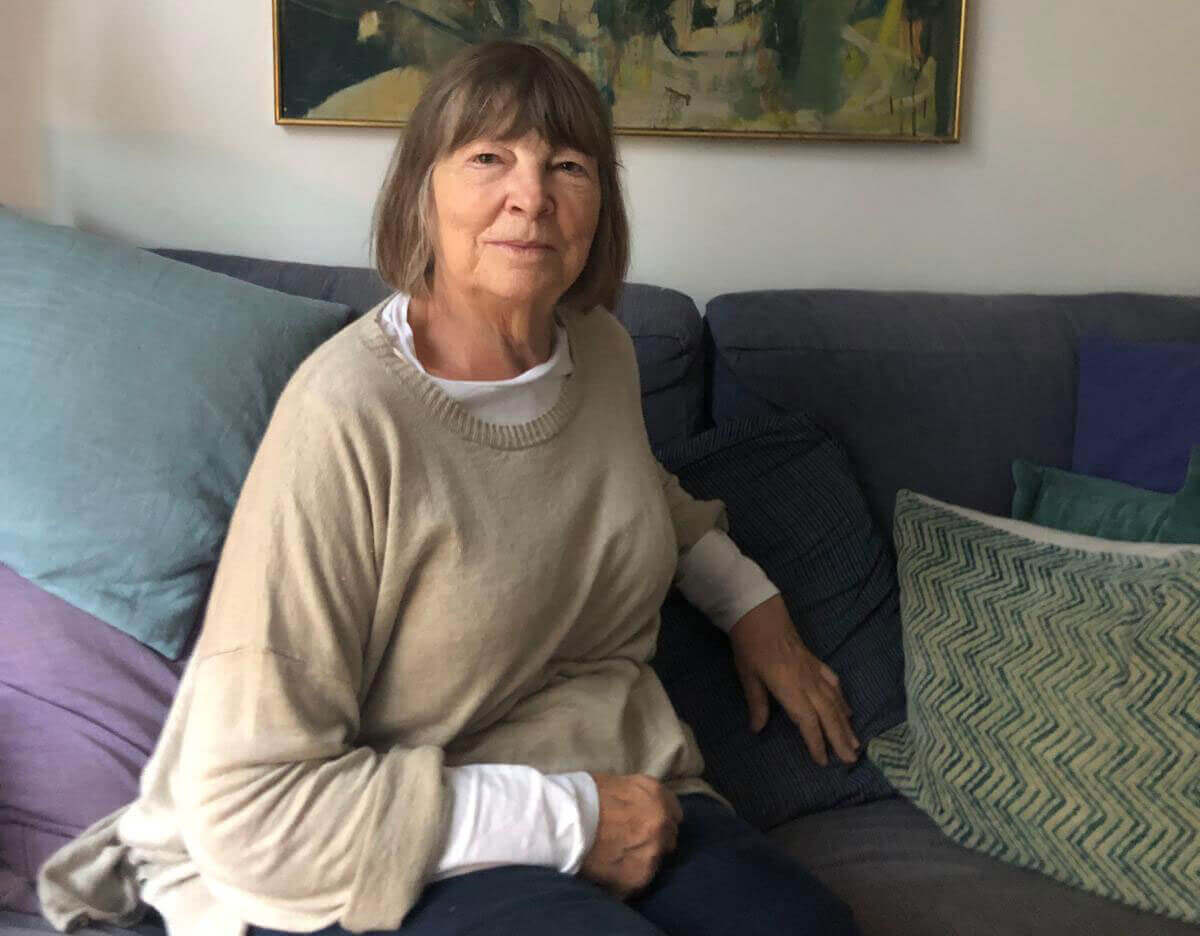
For years, Olivia Madden* lived with anxiety caused by her unpredictable stoma output, with behaviours exacerbated by a hernia. This uneasiness impacted almost every aspect of her life – even her dreams. That was until one day, when Olivia was introduced to the specialist FODMAP diet*, and she hasn’t looked back since.
In 2013, I was diagnosed with colorectal cancer. I had suffered from embarrassing symptoms for some time – excessive wind, a very lazy gut, and fatigue. But despite working in the cancer field, I somehow managed to ignore the potential significance of this and thought it would all get better on its own. Very foolish.
I finally admitted that I needed help, and as a result I was swiftly referred for a scan. Two weeks later, I was having surgery. When I came round, I had a colostomy. Surgeons also had to perform a radical hysterectomy – the removal of the cervix, uterus and surrounding tissues. What had been envisaged as a week in hospital turned into five. I was in fact pretty ill and the surgeon had saved my life.
I found the first year following surgery very challenging, as I tried to get used to my new self. In these early days, I used to wear a rain mac when going out, or if the weather was fine, had one rolled up in my bag so that in case of disaster, I could cover up the evidence. A sense of insecurity even haunted my dreams. I would habitually find myself in unfamiliar settings, desperately trying to find a lavatory. This is still true. Also, like many ostomates, I got used to sitting at the end of the row in the cinema so that I could beat a hasty retreat in the dark if necessary, and felt that I could no longer go to concerts where unwelcome noise or a sudden exit would be too antisocial.

By the end of the second year, I had the beginnings of a parastomal hernia which over time has increased in size, making it hard to put on tights or socks. It reminds me of being pregnant and having the same difficulty.
I diligently read other people’s accounts of having a stoma and while in some ways I was comforted by the upbeat presentation of coping with leaks, travelling and going back to work, I also felt disheartened as they seemed to be managing so much better than I was. Goodness, some were running marathons!
I am a therapist and work face-to-face with clients. I was always in a state of anxiety in case I suddenly needed to change my bag or if my gut gurgled or worse. I searched the internet and found that there is such a thing as a stoma stifler, invented by an engineer for his mother who worked in a bank and felt self-conscious. I sent off for it (it is a bit like a cricket box) and tucked it into my pants over the bag and although it didn’t offer total silence, it could muffle unwanted wind somewhat.
In those early years, I diligently read everything I could find about managing my stoma, but the sense of constant anxiety persisted. Like someone with tinnitus, I became used to this background noise that accompanied me all the time, but particularly when I left the house.
As the hernia grew bigger, I began to experience alternating diarrhoea and constipation, apparently a common problem, and my nervousness increased.
Right from the start, the sources of dietary advice warn you that you have to find what suits you, more or less by trial and error. I tried but without success so finally decided to look for someone who specialises in the gut to see if they could help. A Google search led me to dietitian Marianne Williams who put me on the FODMAP diet. I had never heard of it before but was prepared to try anything that might improve the situation.
It has been like a miracle. Within about ten days, my gut calmed down and was predictable. I was able to see clients and leave the house without that all pervasive anxiety. I could trust that my bag would be effective and that I was unlikely to experience noisy wind. The diet itself has been very straight forward and not at all difficult to follow. As directed, I stuck with it for about three months, and then it was time to start putting back elements of diet that could be a problem, (onions for example), to narrow down potential culprits. This allows me a degree of control over what I choose to eat.
Before this epiphany, I had got to the point of thinking that I was doomed to always feel so anxious. How liberating to discover that this doesn’t have to be the case. My impression is that the FODMAP diet allows the digestive system a sort of reset and I am so grateful to have found it. If things revert, I will simply go back to it for a period with every expectation of success.
* FODMAPs is the acronym given to short-chain carbohydrates that can be poorly absorbed in the small intestine, and which may therefore trigger digestive symptoms in some people.
*Olivia Madden is a pseudonym chosen by the contributor