

From Nicaragua to North Carolina: My Journey Through Crohn’s, Coma, and Life with an Ileostomy
13 August, 2026
By Javier Munoz Mena
Edited by Jillian Matthew
Thirty-seven-year-old Javier Munoz Mena escaped a brutal political regime in his native Nicaragua, fleeing first to Costa Rica and then to the United States, where he was granted refugee status. Such life events would be challenge enough for anyone. Yet Javier lived through these turbulent times while his health was dealt a series of devastating blows, ultimately leaving him with an unplanned ileostomy.
Growing Up in Nicaragua
I was born and raised in Nicaragua. I studied nursing and then specialised in surgical assistance (what is known as a ‘scrub nurse’). However, in 2018, the country fell into a sociopolitical crisis which led to the establishment of a dictatorship which remains in power to this day.
I fled to neighbouring Costa Rica that same year to escape the situation at home. I worked in different hospitals and clinics in Costa Rica for six years.
It was while I was there in 2021 that I was initially diagnosed with ulcerative colitis, having always suffered with bowel issues. Much later I would be re-diagnosed with Crohn’s disease – a chronic illness that has no cure, although there are treatments available to manage it, thankfully.
Living with Crohn’s disease teaches you to listen to your body, especially when it affects your mood. But this is not an easy thing to do – it can be difficult for adults to break old habits and learn new ways of doing things which are better for our bodies. Of course, it can also affect self-confidence because it makes you doubt your abilities. But that improves once you build new, beneficial routines into daily life – not only when you feel motivated, but also when you don’t.
The Flare-Up That Changed Everything
I was treated with prescription anti-inflammatory medication for two years, which really helped relieve my symptoms. But then everything changed.
A lack of attention to my diet led me to eat contaminated meat which triggered a flare-up of my symptoms that nearly cost me my life. I ended up in hospital, where poor medical management during surgery led to my colon being perforated and which resulted in intra-abdominal sepsis.
I ended up in a coma for seven days.
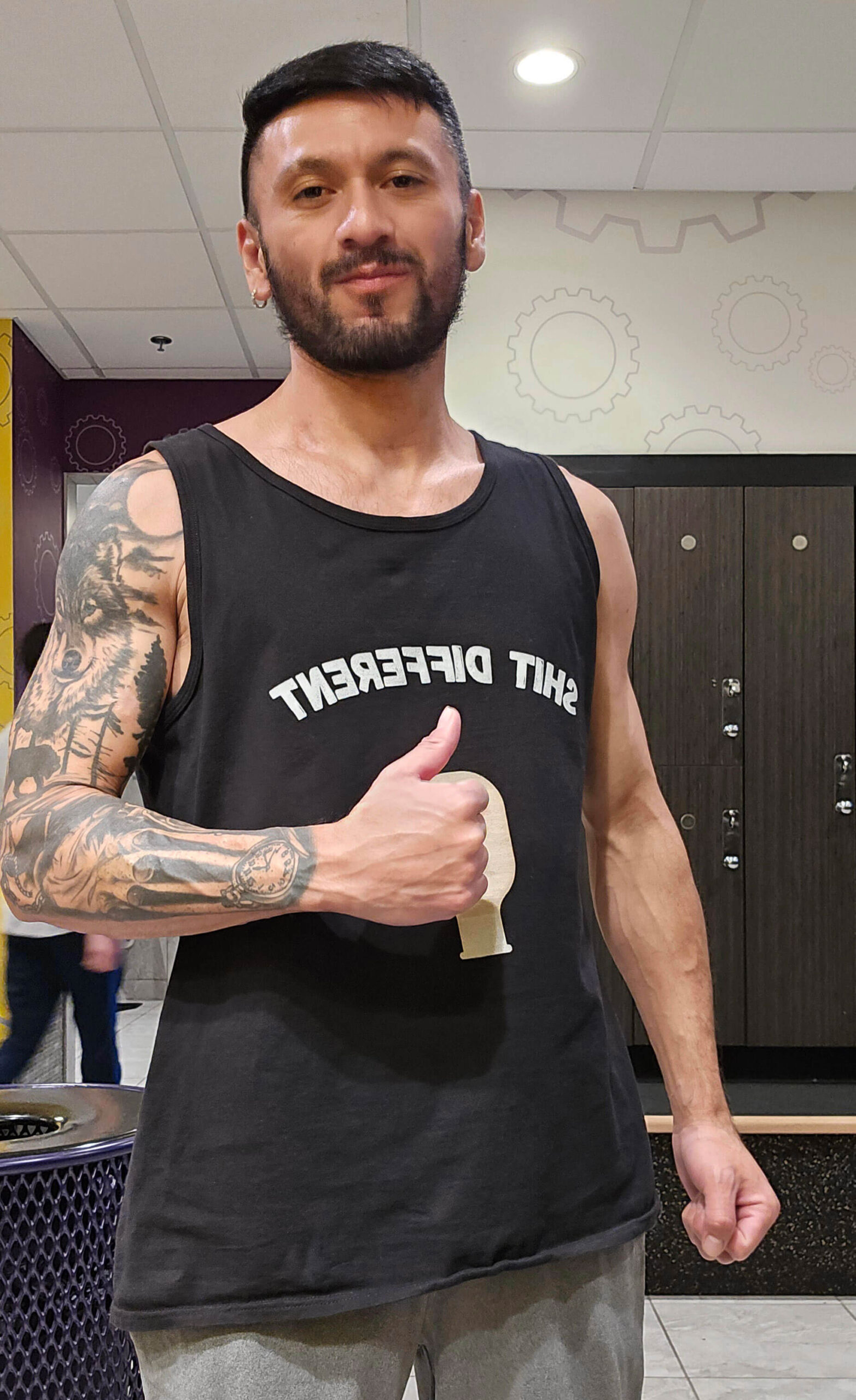
When I woke up, I had an ileostomy as the surgeons had removed almost my entire colon following the perforation. I have now lived with my ileostomy for almost three years.
Learning to Live with an Ileostomy
Living with a stoma has been a radical life change. Learning how to care for, clean, and adjust the pouch in daily life wasn’t easy. Even for me, as a nurse with clinical knowledge and experience, this was a completely new world. I had to teach myself how to manage everything that comes with a stoma.
It’s not just about physical changes either. I would say that the most important and significant aspect of having a stoma is how it affected me mentally, especially while also living with an auto-immune disease.
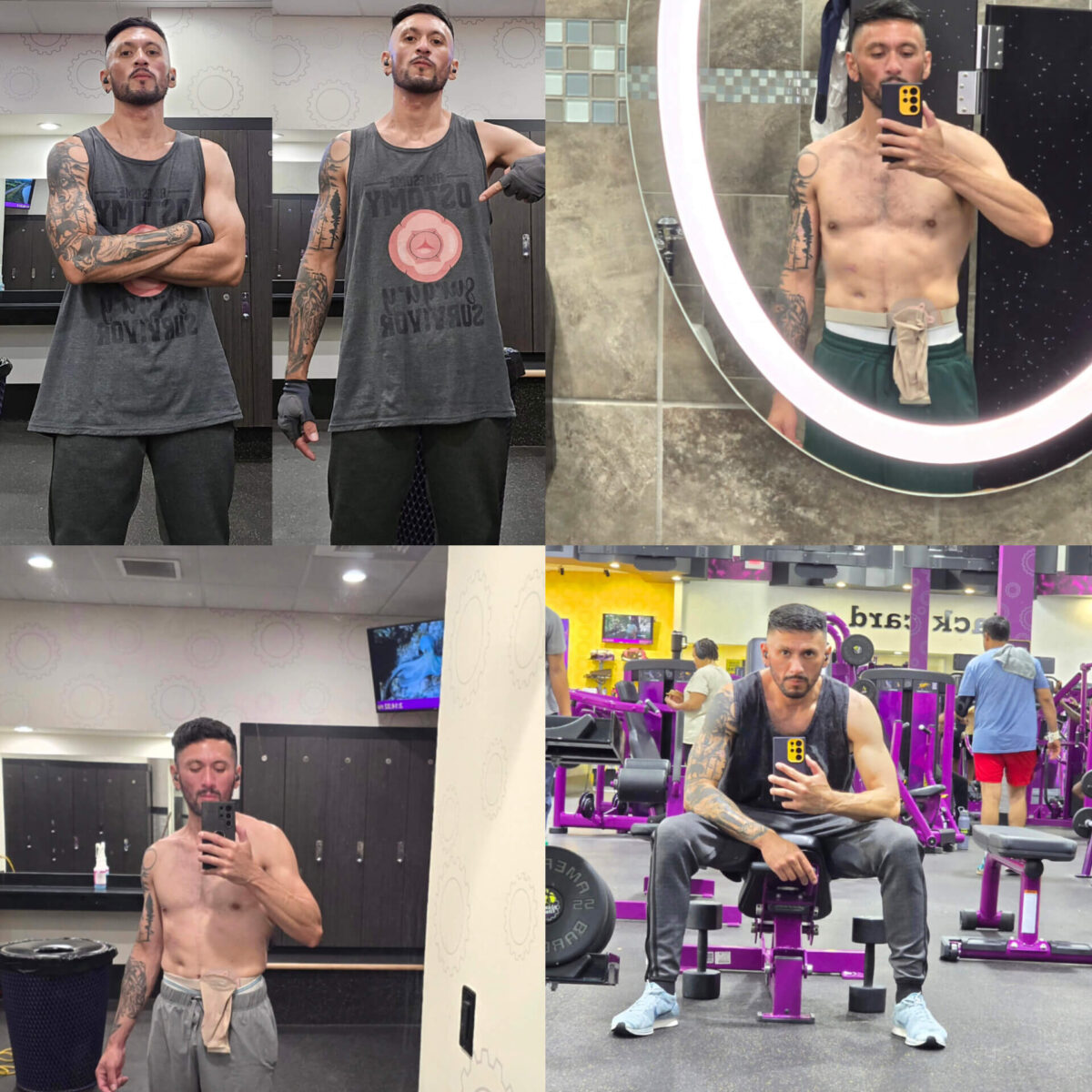
Seeing my body change so much has been hard. I lost a lot of weight for one thing. From a young age, I’ve enjoyed physical activity. I grew up in a country where children play soccer, jog and stay active. Because of this, I’ve always loved going to the gym, running, and cycling.
So when I came out of the coma and realised that my body weighed just 49 kg, it was devastating. I thought I’d never be able to do the same things again.
Recovery did not happen in a few days or months. It has been a huge challenge to gain weight, work out which foods and supplements nourish me best, and build the discipline to reach my goals.
It was also hard for me to see my intestine on my abdomen, and to live with the uncomfortable and sometimes embarrassing sounds caused by gas. It’s also worth mentioning that with an ileostomy, bowel movements are more frequent, which can be frustrating because the bag needs emptying many times a day.
But what feels impossible at first does change. You learn to cope with all of these things; it’s a matter of time and adaptation, even though at first you may doubt that you will ever cope.
A New Beginning in the United States
Not too long after I had my stoma formed, I received a phone call inviting me to come to the United States with official refugee status.
I of course accepted the offer; my primary motivation for moving to America was the fact that medical treatments in the USA are of the highest quality. There was also a possibility of reversing my ileostomy one day.
There is definitely a big difference in terms of the resources and care available in North America. In many Hispanic or Latin American countries, there is still not much information on comprehensive treatments, and even specialists have few resources available to educate patients and families. There is also a lack of critical medications, not to mention a shortage of accessible stoma supplies.
But equally, in my view, the American system only works well if you are covered with health insurance. There are life insurance programs that use taxes to cover expenses for people with chronic illnesses, operating through the social services departments of each state and county.
If you have Medicaid or Medicare, your care and stoma supplies will be covered. The key here is having insurance that covers all of your care – including medications, because without it, it would be nearly impossible to pay for all your treatment – unless you win the lottery or are incredibly rich, as medicine here is extremely expensive!
Building a New Life
I came to the USA two and half years ago now, and settled in Raleigh, North Carolina.
I continue to learn English every day, both through study as well as communicating with people in everyday life. This helped me get a job at a hospital in North Carolina. Unfortunately, I recently had to leave that job due to needing more surgery.
Even so, the experience was wonderful. I still feel I have a long way to go to communicate confidently on more complex topics, but language has not been a problem when it comes to receiving supplies or medical care. Thankfully, hospitals in the USA offer interpretation services in different languages, either by video or in person.
Currently I am receiving a biological treatment every 28 days – a monthly injection of ‘Skyrizi’, which has kept my intestines free of inflammation and the disease currently in remission I’m thankful to say.
Finding a New Perspective
In Spanish-speaking countries we say:
“No sabes lo que tienes hasta que lo pierdes.”
“You don’t know what you’ve got till it’s gone.”
For me, being bedridden, unable to move, to take care of yourself, or even speak – it changes the way you view life.
Then having the chance to breathe again, to do such simple things that we take for granted, like taking a shower, you start to see them as gifts, as luxuries, as something you should treasure.
That has motivated me to love, care for, and value myself much more. Just opening my eyes and having a coffee is enough to find inspiration to train in the gym.
Looking to the Future
As I rebuilt my strength, I began following fitness pages in the United States and came across the Mr. Health & Fitness competition. I submitted my photos and was accepted.
I led the top five in my group for a while but unfortunately, I did not make it past the quarter finals in the competition. Being recognised as a winner would have meant a lot to me and the cash prize would have also provided additional financial security. Having no family or friends nearby makes the situation all the more difficult.
However, on May 19th I underwent my stoma reversal surgery. Everything went very well. I’m currently recovering and trying to find a work-from-home job.
Looking ahead, and given everything I have lived through, I would love to study nutrition and specialise in inflammatory bowel diseases. I know firsthand how much diet, education, treatment and support can shape a person’s chances of recovery and quality of life.
Javier’s Message to Others
The one thing I would like to say to anyone who is just starting out with their stoma is:
“You are not alone.”
Every day people begin this journey, and whether the stoma is permanent or temporary, it is possible to live a comfortable and fulfilling life with the resources available.
Follow Javier
Support From Colostomy UK
We offer a wide range of support for people living with a stoma, including our free Stoma Helpline, live chat support, and opportunities to connect with others through local and online groups. We also provide trusted information and resources to offer practical advice, reassurance, and the confidence to live well with a stoma: colostomyuk.org/support