

You Know Your Child: Elsie’s Journey to a Colostomy
12 August, 2026
I watched a little girl who couldn’t simply enjoy being a child because every day was overshadowed by pain. Every outing, every meal and every bedtime revolved around her bowels. She missed so much school. There were nights I’d wake to her screaming in pain, and there was nothing I could do but hold her and wait for it to pass.
We had countless hospital visits, endless medications, procedures, scans and appointments. Disimpactions, bowel washouts, enemas, suppositories, Botox and manual evacuations under general anaesthetic. We lived in a constant cycle of hope followed by heartbreak when another treatment failed.
Time and time again, I found myself saying the same thing:
“I don’t think this is just constipation.”
Eventually, after years of fighting to be heard, we were referred to Bristol Children’s Hospital, where we spent two weeks undergoing specialist investigations. The answer finally came in January 2026. Elsie was diagnosed with slow transit constipation and rectal dyssynergia. I held it together in that room because Elsie was watching. But the second the doctors walked away, I broke down.
The diagnosis was devastating because no parent wants to hear that their child has a long-term bowel condition. But at the same time, it was validating. I wasn’t imagining it. I wasn’t overreacting. I wasn’t an anxious mum making a fuss.There really was something more. Receiving that diagnosis changed everything. We could finally stop treating Elsie as though she simply “wasn’t trying hard enough” and start treating the condition she had been living with all along.
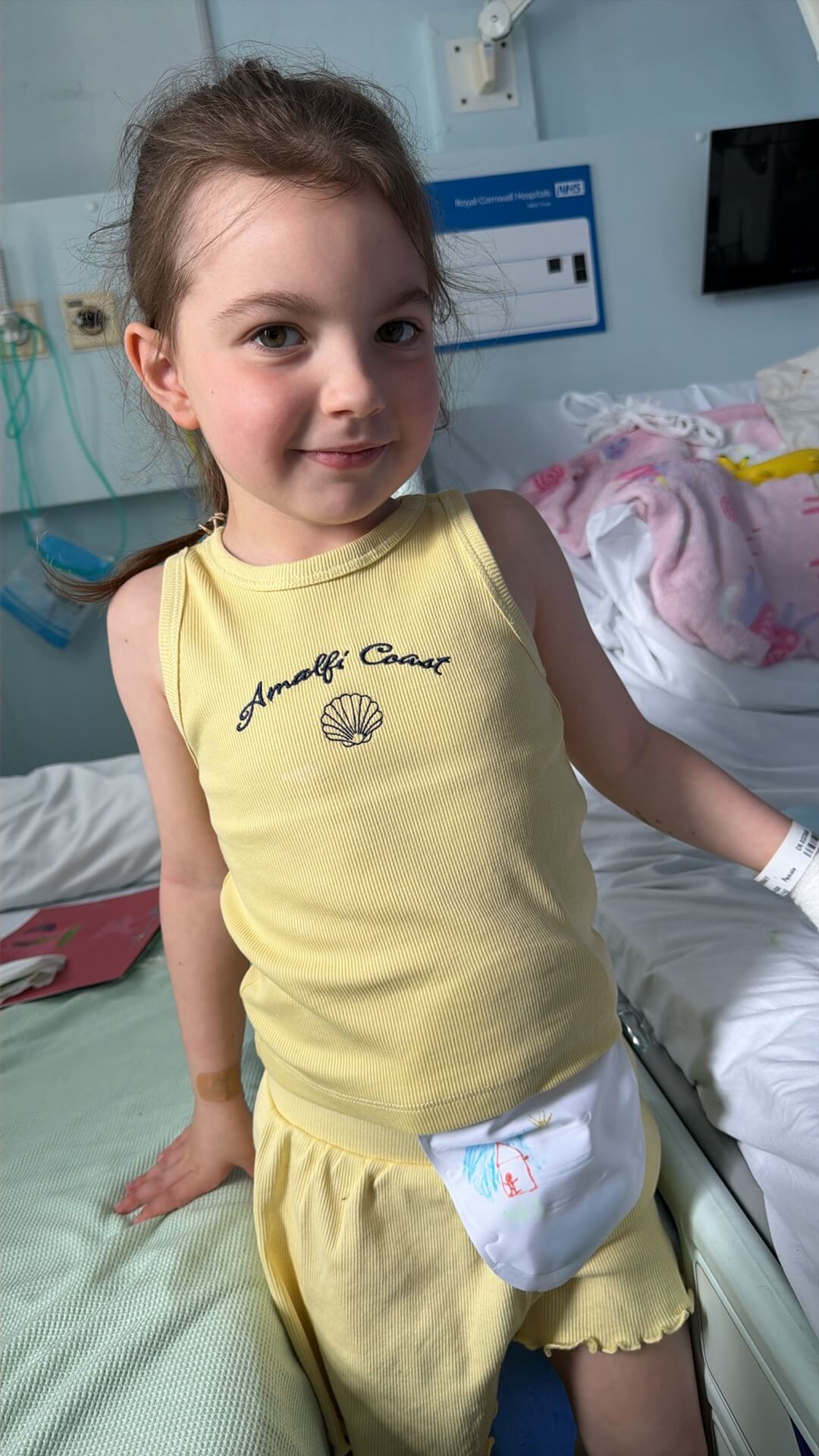
Despite everything we tried, nothing gave Elsie the quality of life she deserved. At her worst, she could go more than two weeks without opening her bowels despite huge amounts of medication. Eventually, her surgical team spoke to us about a colostomy. The thought terrified us. As parents, your mind immediately jumps to everything your child might miss out on. Will people stare? Will she be bullied? Will she feel different? Will she still be able to just be a normal little girl?
But what we couldn’t see then was that a stoma wasn’t going to take something away from Elsie. In many ways, it would give something back.
In June 2026, at just five years old, Elsie had her colostomy formed. And then came Gary. Elsie named her stoma Gary simply because, in true five-year-old fashion, that was the name that came into her head. Her stoma bag is Barry, and she also has her Buttony Bear, who rarely leaves her side and has helped make something frightening feel normal.
One of the most remarkable parts of this entire journey has been watching how naturally Elsie has accepted her stoma. She doesn’t see Gary as something to hide. She talks about him, shows him off and is incredibly proud of him.
And although her stoma has given her freedoms she didn’t have before, we now know that our road is far from over.
Unfortunately, the colostomy hasn’t solved all of Elsie’s bowel problems in the way we had hoped. Gary took several days to begin working after surgery, and since then Elsie has continued to struggle with very slow output, constipation, abdominal pain, bloating and feeling full after eating very little. She has continued to need significant amounts of medication just to help her bowel move.
More recently, after further surgery and investigations failed to find a mechanical problem with her stoma, her team have raised the possibility that there could be a wider problem with the way her bowel moves – bowel dysmotility. So once again, we find ourselves waiting. Waiting for specialist referrals. Waiting for further investigations. Waiting for tests such as contrast studies or imaging. Waiting to understand exactly what is happening inside our little girl’s body and what her future treatment might look like.
In some ways, it feels frighteningly familiar. We have answers, but we don’t yet have all the answers. But there is one huge difference this time. We know to keep going.
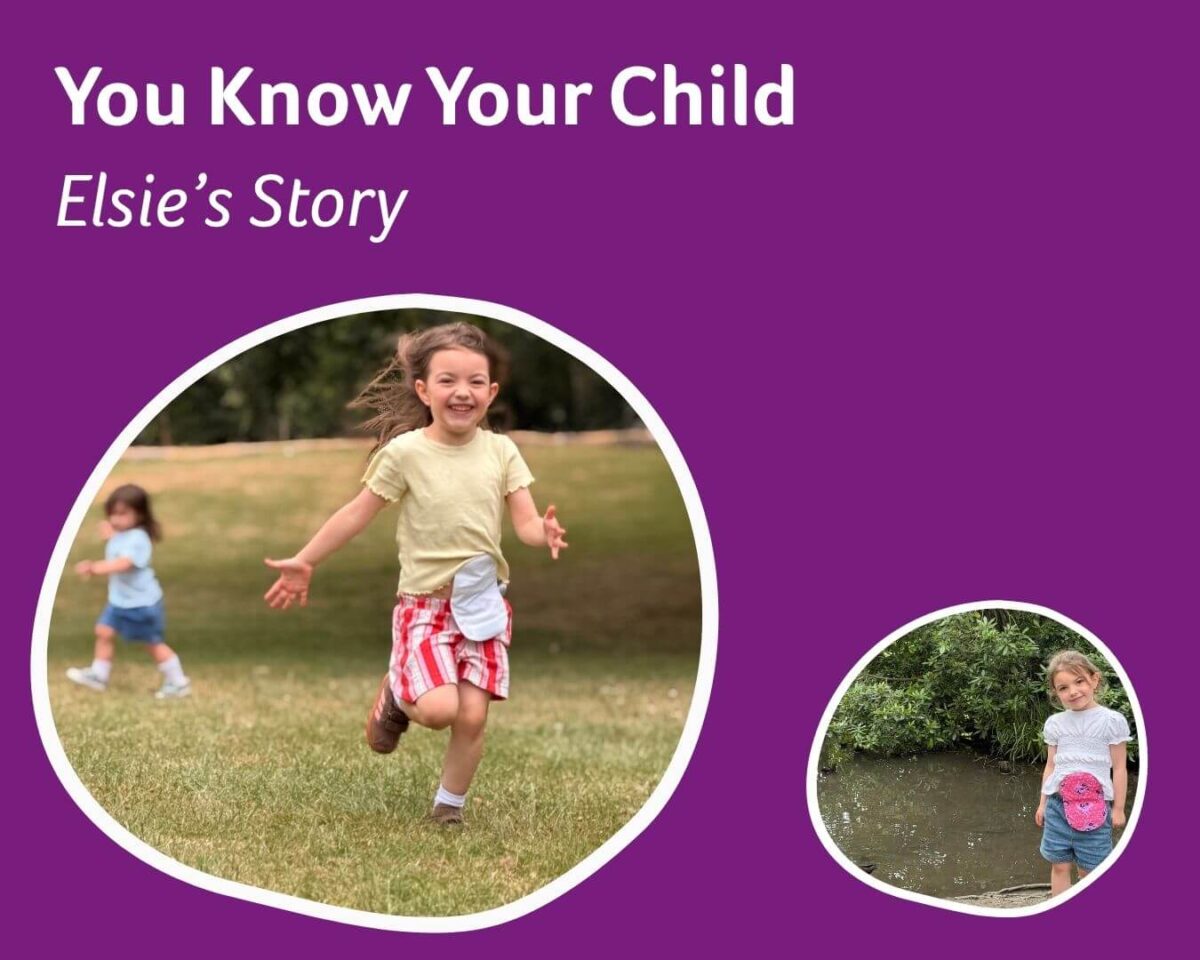
Elsie’s stoma has still changed her life in so many positive ways. Before Gary, something as simple as running around could leave her exhausted and in pain. We’ve seen glimpses of the childhood we fought so hard to give her – playing, running around and simply being five without her bowels dictating every second of the day.
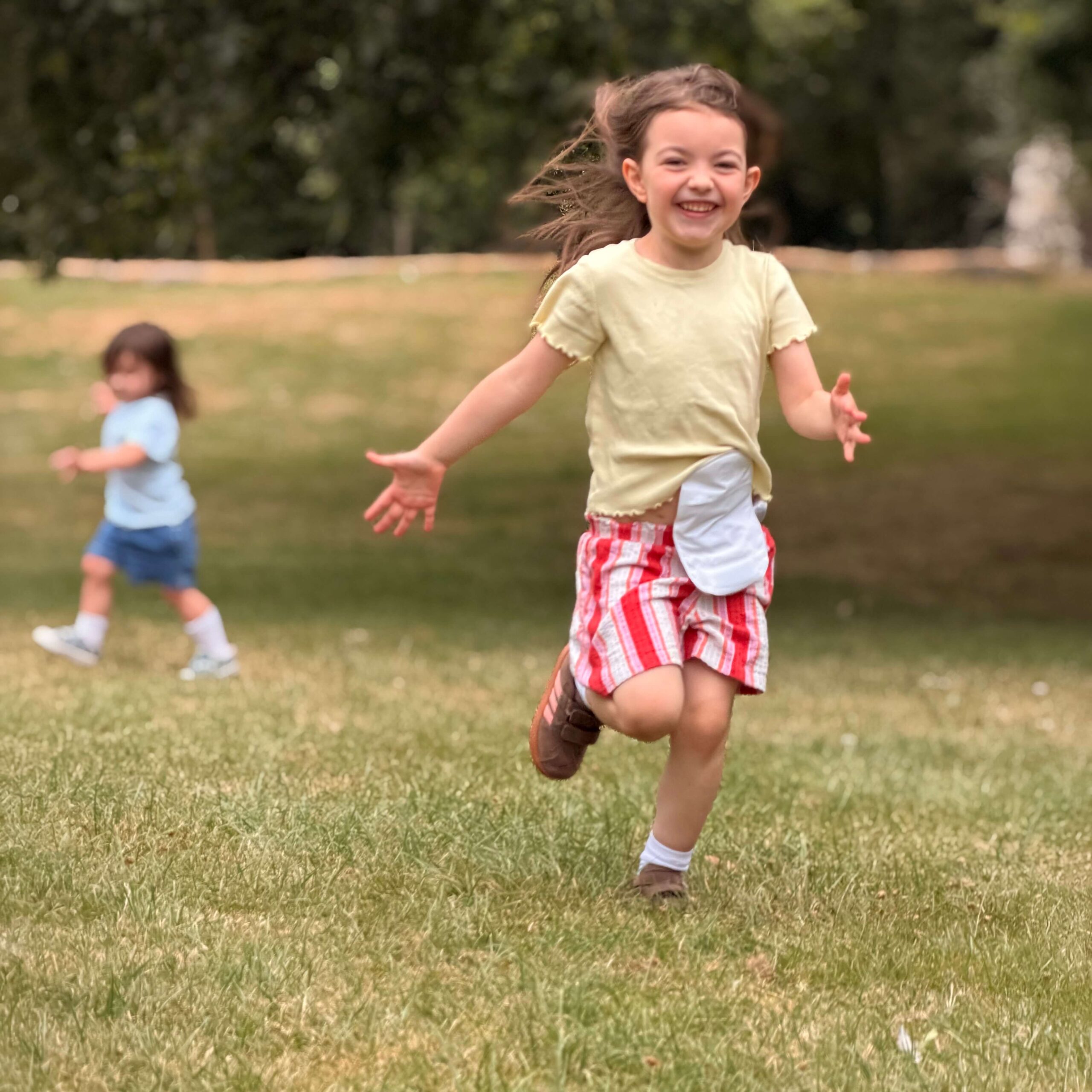
But I also think it’s important to share the complicated side of this journey.
A stoma isn’t always the final chapter. Sometimes it’s one part of a much bigger medical story. It can improve someone’s life enormously while there are still underlying problems that need answers. And that’s where we are now.
We don’t know what the next step will be for Elsie. We don’t know exactly what further testing will show or what treatment she may need in the future.
What we do know is that she will face it in exactly the same way she has faced everything else. Head on, with Gary by her side.
Watching Elsie’s confidence has completely changed how we see stomas. They shouldn’t be hidden. They shouldn’t be whispered about. They certainly shouldn’t be something people feel ashamed of. A stoma is not a failure. It is not the end of someone’s story. And sometimes, as Elsie is teaching us, it isn’t the end of the medical journey either.
Sharing our journey online has shown us just how many families feel alone. We’ve received messages from parents terrified that their child may need a stoma, and from adults who wish they’d seen someone like Elsie growing up.
Representation matters. Children deserve to see other children living confidently with stomas. Parents deserve to know that life after surgery can still contain laughter, adventure and joy even when the medical journey remains complicated.
If there’s one thing I hope people take away from our story, it’s this: never underestimate a parent’s instinct. If you truly believe something isn’t right, keep asking questions. Keep advocating. Keep pushing for answers.
We did it before Elsie’s diagnosis. We did it before her colostomy. And now, as we enter another unknown chapter, we’ll do it again.
Because sometimes the words “it’s just constipation” aren’t the end of the story.
Sometimes they’re just the beginning. Elsie’s story isn’t finished yet and neither is our fight to get her the answers and the life she deserves.
Support From Colostomy UK
We offer a wide range of support for people living with a stoma, including our free Stoma Helpline, live chat support, and opportunities to connect with others through local and online groups. We also provide trusted information and resources to offer practical advice, reassurance, and the confidence to live well with a stoma: colostomyuk.org/support