

Jo Olliffe: Travelling with a Stoma: My Story of Freedom, Confidence and Solo Adventures
13 April, 2026
By Jo Olliffe, age 38
For me, my bowel problems started gradually after the age of 10, but worsened significantly from around 15 or 16. For most of my life, my world was shaped by a hidden struggle with what felt like a taboo issue.
After many years of feeling a lot of shame I finally spoke openly to a lovely female GP who was so incredibly patient, kind and compassionate. She took the time to really listen & hear what I was saying, I owe a lot to her for being a starting point in what would go on to be quite a lengthy journey.
Eventually, I was diagnosed with chronic slow transit constipation alongside dyssynergic defecation disorder. From a young age, I learned to live around my condition. At 21, I underwent a rectopexy due to a grade 4 prolapse. For a period of time, things did improve, and I hoped that would last long term, but over the years my bowel function gradually deteriorated again.
Eventually, my daily life revolved around managing symptoms, calculating laxatives, and trying to appear “normal” to the outside world.
Every four days or so, I would need to take strong laxatives and then endure hours of being unwell while they worked. Everything had to be carefully planned. If I needed to be at work for 8:30am, I would have to time the laxatives to begin working around 5am, giving myself enough time to go through the physical process and then take painkillers just to attempt to function normally.
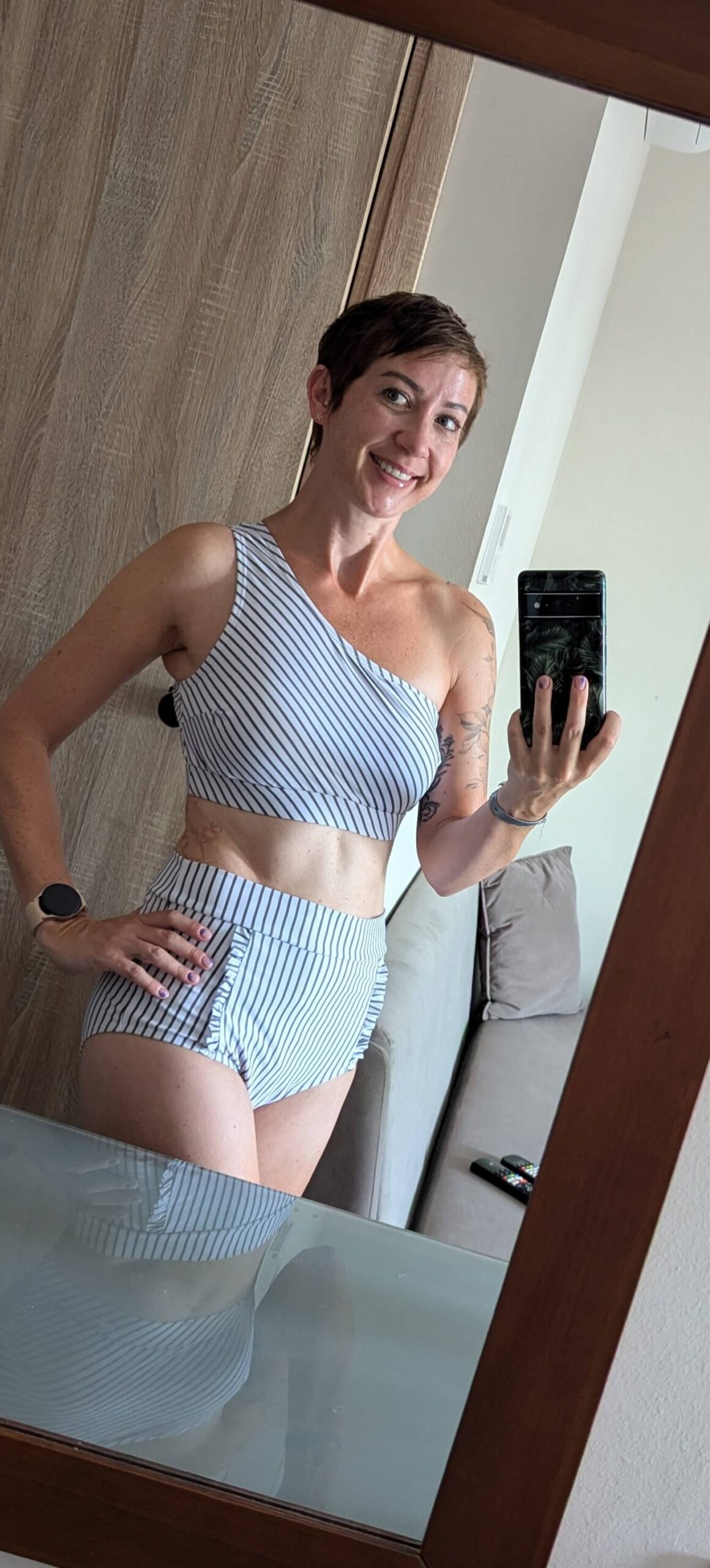
Social plans, work, travel – even simple everyday activities – were shaped around when I would be ill and when I would recover. It was exhausting, both physically and emotionally. I became very good at masking how much it affected me – and it’s true that we never really know what someone else may be managing behind closed doors. Internally, I felt restricted, ashamed, and disconnected from the freedom that others seemed to experience so easily.
Making the decision to have a colostomy in 2024 was not something I took lightly. It came with fear, uncertainty, and a sense of stepping into the unknown. It also came after extensive research and many attempts to manage my condition in other ways. But alongside the fear, there was hope – hope that I could reclaim my life.
My surgeon at the Bristol Royal Infirmary was another incredibly important part of my journey. He listened to my history, my long story, and the countless things I had tried. He heard me.
Looking back now, choosing to have my stoma was the single best decision I have ever made for my quality of life.
Instead of my world shrinking, it expanded.
I still take four Laxido a day – two in the morning and two in the evening – to support my slow transit. Having a stoma cannot fix the underlying slow system, but not being chained to a bathroom in pain and discomfort has been life-changing.
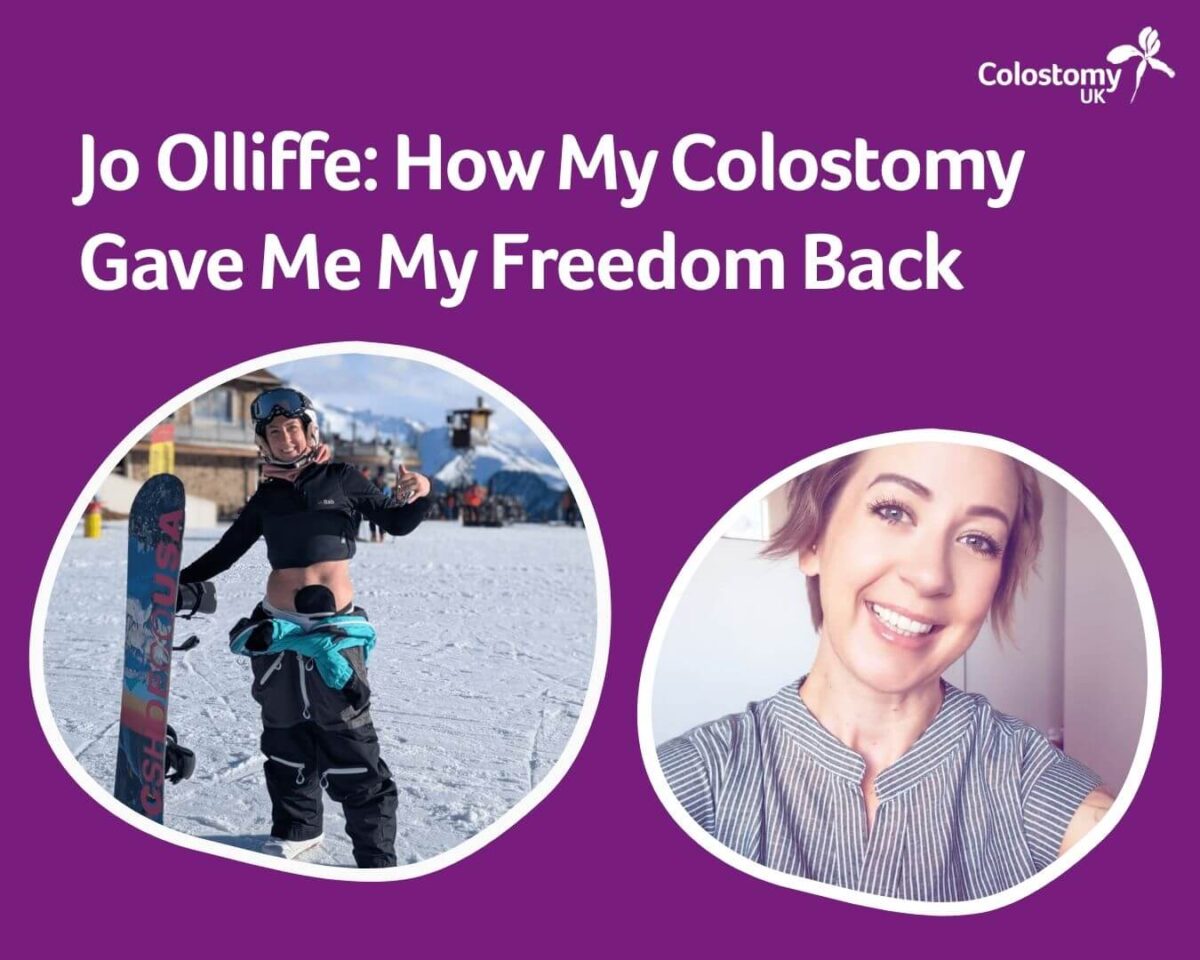
Since my surgery, I have snowboarded on two separate holidays. 14 months after my surgery with my big supportive pants on (to help protect against developing a hernia) & my stretchy support belt. And this year, two years on, I stood at the top of a mountain feeling physically strong, capable, and free. That is something I do not take for granted.
My stoma has not held me back. If anything, it has enabled me to live more fully.
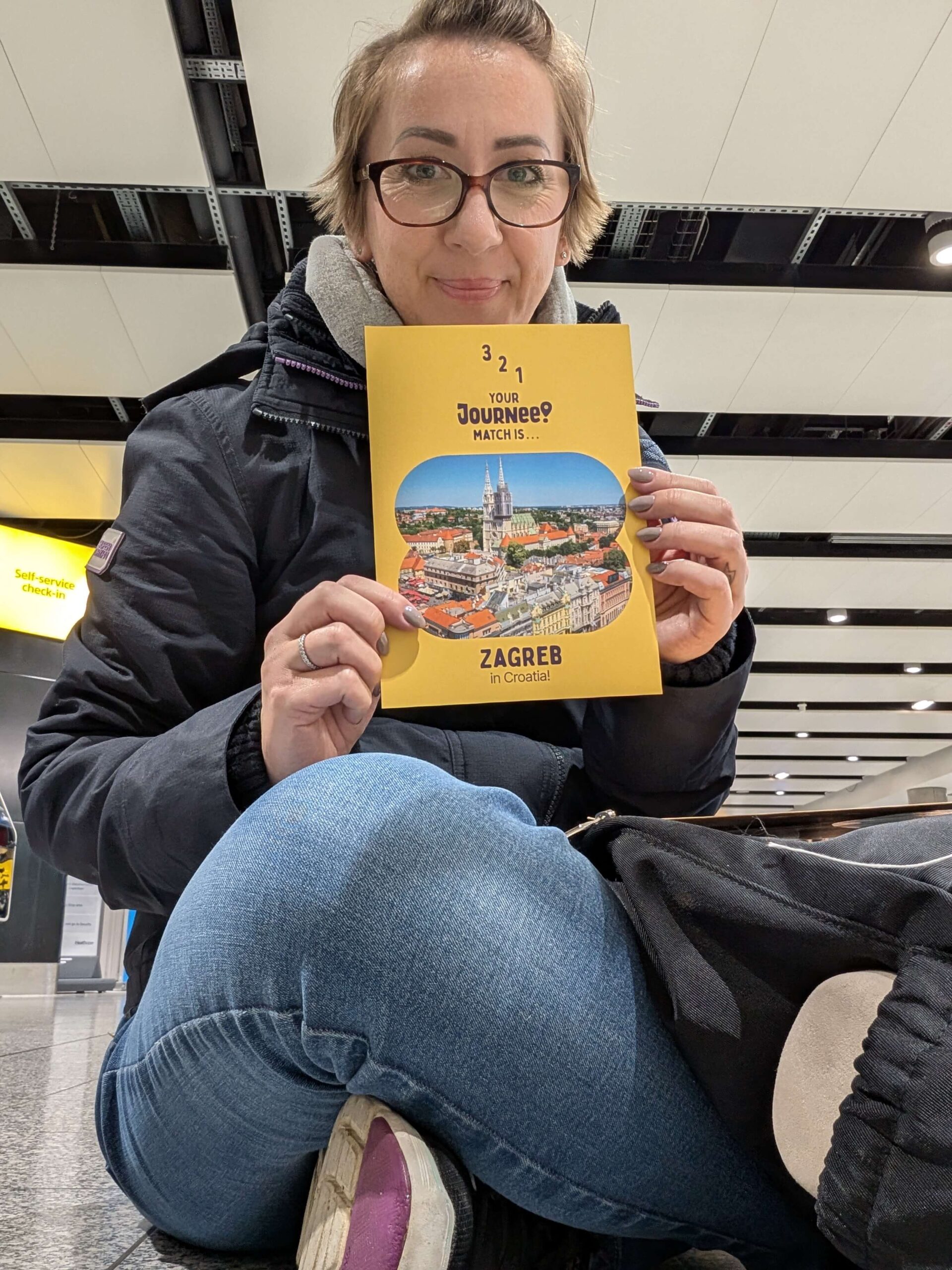
I have also travelled solo several times since having Bert (my stoma). I have swum in pools and in the ocean. I have explored new cities. I have said yes to spontaneous evenings out with friends – all things that would have previously felt stressful, unpredictable, or impossible.
During my latest trip to Austria, when travelling through Heathrow Airport, the full body scanner detected a foreign object – my stoma bag, and I was asked to have a private search. I was taken to a private room with two female security staff, who were calm, respectful, and incredibly kind. The lady I was with who conducted the search was really lovely, especially as it was 6am.
There was no embarrassment, no discomfort – only professionalism and dignity. It reassured me that travelling with a stoma is something that can be managed confidently.
Before my stoma, my days were controlled by my condition. Now, my condition no longer controls my days.
My stoma has given me back something far more valuable than physical health alone – it has given me freedom. Freedom to travel. Freedom to be spontaneous. Freedom to live fully in my body without constant fear or management.
I know that for many people, the idea of a stoma can feel frightening. There can be uncertainty, grief, and fear of what life might look like afterwards. The early days are vulnerable and unfamiliar, and that can feel overwhelming. But lean on your stoma teams, they are there to support you, helping you find the right products and regain confidence.
Charities like Colostomy UK also play an incredibly important role. Their website provides a wealth of information, and their dedicated Stoma Helpline offers daily support to anyone who needs reassurance, guidance, or simply someone who understands.
My experience of having a stoma has not been a story of loss. It has been a story of regaining autonomy, confidence, and peace.
My stoma did not take my life away from me. It gave it back.
My next adventure is a skydive in May.
Because a bag does not mean a smaller world.
It can mean freedom.
For more support and advice please contact us on: 0800 328 4257 or visit our support page for more ways to get in touch: colostomyuk.org/support