

Stoma Care While in Hospital
26 May, 2026
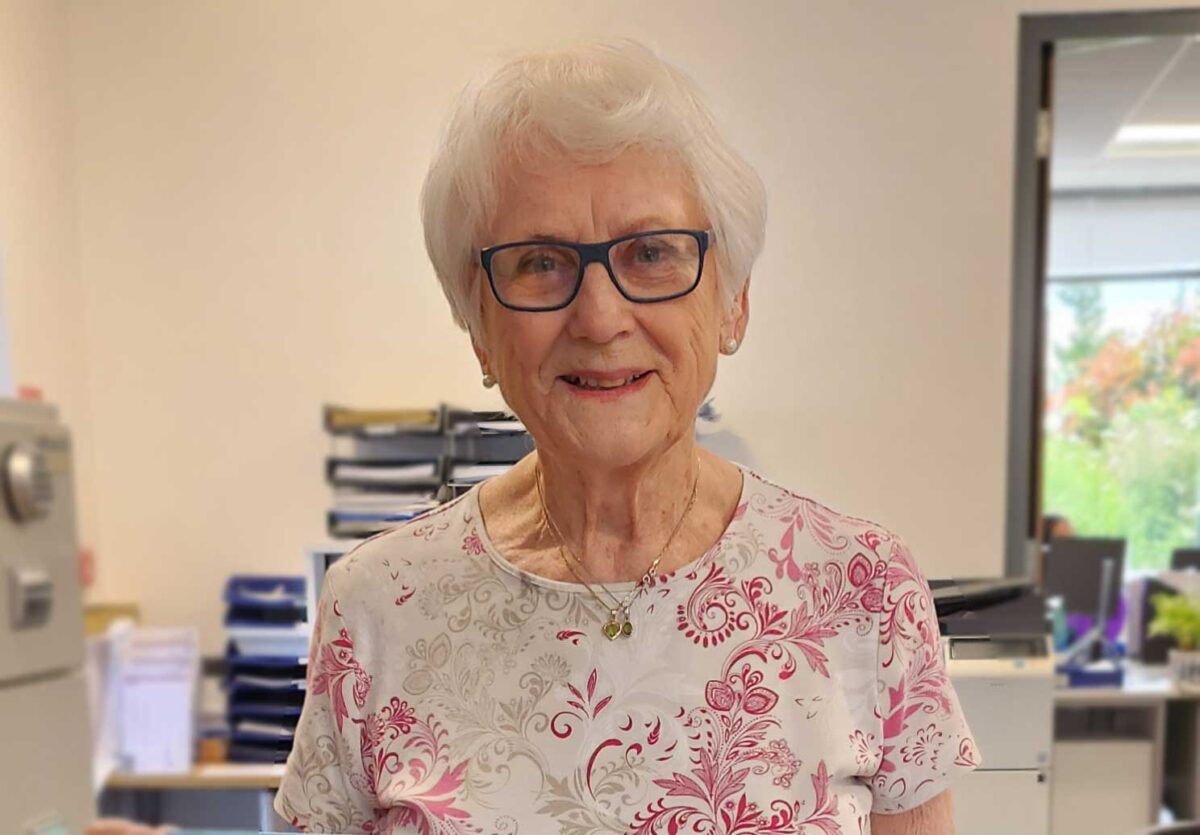
By Jackie Dudley
Regular Tidings contributor Jackie Dudley recently underwent surgery for a health issue that did not have anything to do with her stoma. This raised an important question, how should ostomates manage their stoma care needs while in hospital for a completely unrelated issue? Jackie shares her experience along with helpful tips for anyone who may find themselves in a similar situation.
The reason for the hospital stay and initial stoma related challenges
After years of back and leg pain, I was finally offered lumbar decompression surgery to relieve the symptoms. I was warned I would have a spinal wound with a dressing that had to stay dry for two weeks, meaning no showering. I would also struggle to sit comfortably, needing cushions and support.
That immediately made me think about my stoma care. My usual routine of emptying my pouch from a seated or kneeling position simply would not be possible after surgery. I therefore decided in advance to switch to a closed pouch, which could not be emptied but could be removed and disposed of easily when full.

Preparing ahead of the hospital stay
I contacted several companies advertised in Tidings to ask about different closed pouch options. I also spoke with my stoma care team about my plans. I realised I would need to manage everything while standing, ideally near a sink, with somewhere secure to dispose of used pouches and a surface for my equipment.
Normally, with a drainable pouch, I rinse it with warm water to extend wear time. After surgery, I realised that would not be practical. Instead, I planned to use a closed pouch. Standing at the basin, and tucking a disposal bag under the pouch, I would spray the adhesive remover and let the full pouch drop straight into the bag. I could then clean the stoma and apply a new pouch before sealing and disposing of it.
I practised this method at home so I felt confident with my new routine before hospital admission.
I informed the hospital stoma care department of my surgery date and the details of the operation, and I made sure they had my contact numbers if they needed to reach me after surgery.
Next, I contacted my GP, who submitted a prescription for more pouches than I would usually need in case they were required during my hospital stay. I also notified my delivery company to ensure everything would arrive before I went into hospital.

During the hospital stay
On admission, I made sure the ward sister and nurses knew about my stoma and how I planned to manage it. I stayed in bed for five days after the operation but was able to walk to the toilet with a frame and a nurse.
Although sitting and lying were uncomfortable because of my back wound, I could stand, and that meant I was able to change my pouch independently. My preparation paid off.
Before going in, I packed a dedicated bathroom bag, ideally a zipped bag with handles, ready for each change. Mine contained:
- pouches
- disposal bags
- wipes
- protective pads
- adhesive remover spray
- scissors
- plus any accessories I needed
I also kept a second supply bag in my bedside locker with extra supplies, plus my prescription details and key contact numbers. Having spare supplies close by meant I felt prepared for accidents, delays, or a longer stay, and gave me real peace of mind while recovering.
Potential challenges and complications
Whatever operation you have, it can affect your stoma. Anaesthetic, new medications, and changes in diet and fluid intake can all lead to either diarrhoea or constipation. I experienced both.
When I became constipated, there was no output and the area around my stoma felt hard and uncomfortable. I increased my fluids, kept moving as much as I could, informed the nurses, and requested a mild laxative. I also used a heat pad over the stoma area and chose foods like greens and salad to help stimulate my bowel.
Anticipating output returning, I protected the area using my puppy pad technique to prevent leaks.
I later had diarrhoea, with the pouch filling quickly. As I still could not bend to empty into the toilet, I used a jug in the basin and switched back to a drainable pouch, which made management much easier. If using a closed pouch, you can release it into a disposal bag or container, then empty it into the toilet.
I adjusted my diet to help thicken the output and, over the following days, things settled back to normal. The ward nurses will notice these changes, and you can always ask for the stoma care team to review you for reassurance as well.
Going home
If you have family support, accept their help while you recover and keep in touch with your stoma care nurses as your strength returns.
As I live alone, I looked into what support I could have after discharge, but found it difficult to get clear information. I arranged a short stay in a rehabilitation centre instead. For me, this removed the worry of coping at home straight away.
Staff helped care for my wound, including washing and dressing, as I had to keep the dressing dry, and supported my mobility, while I was still able to manage my stoma independently.
I began physiotherapy immediately, with daily exercises to rebuild strength and confidence. Having meals prepared and practical help available meant I could focus on recovery rather than daily tasks like cooking and personal care.
After two weeks, I returned home with a live in carer for a short period. This private care made a significant difference to my recovery, although it was also not cheap, and I realise it is not an option open to everyone.
Thankfully, social services are also available to provide support. Their staff helped me gain confidence and highlighted many causes of accidents around the house and how to avoid them.
Nearly four months on, I am still improving, but my stoma has settled back into its usual routine and I have returned to a drainable pouch. I am now looking forward to getting back to normal life, and in particular, my gardening.
Read about Jackie’s puppy pad solution to leaks in the Winter 2024 edition of Tidings.
Support From Colostomy UK
We offer a wide range of support for people living with a stoma, including our free Stoma Helpline, live chat support, and opportunities to connect with others through local and online groups. We also provide trusted information and resources to offer practical advice, reassurance, and the confidence to live well with a stoma: colostomyuk.org/support