

Adhesions and Blockages
26 May, 2026
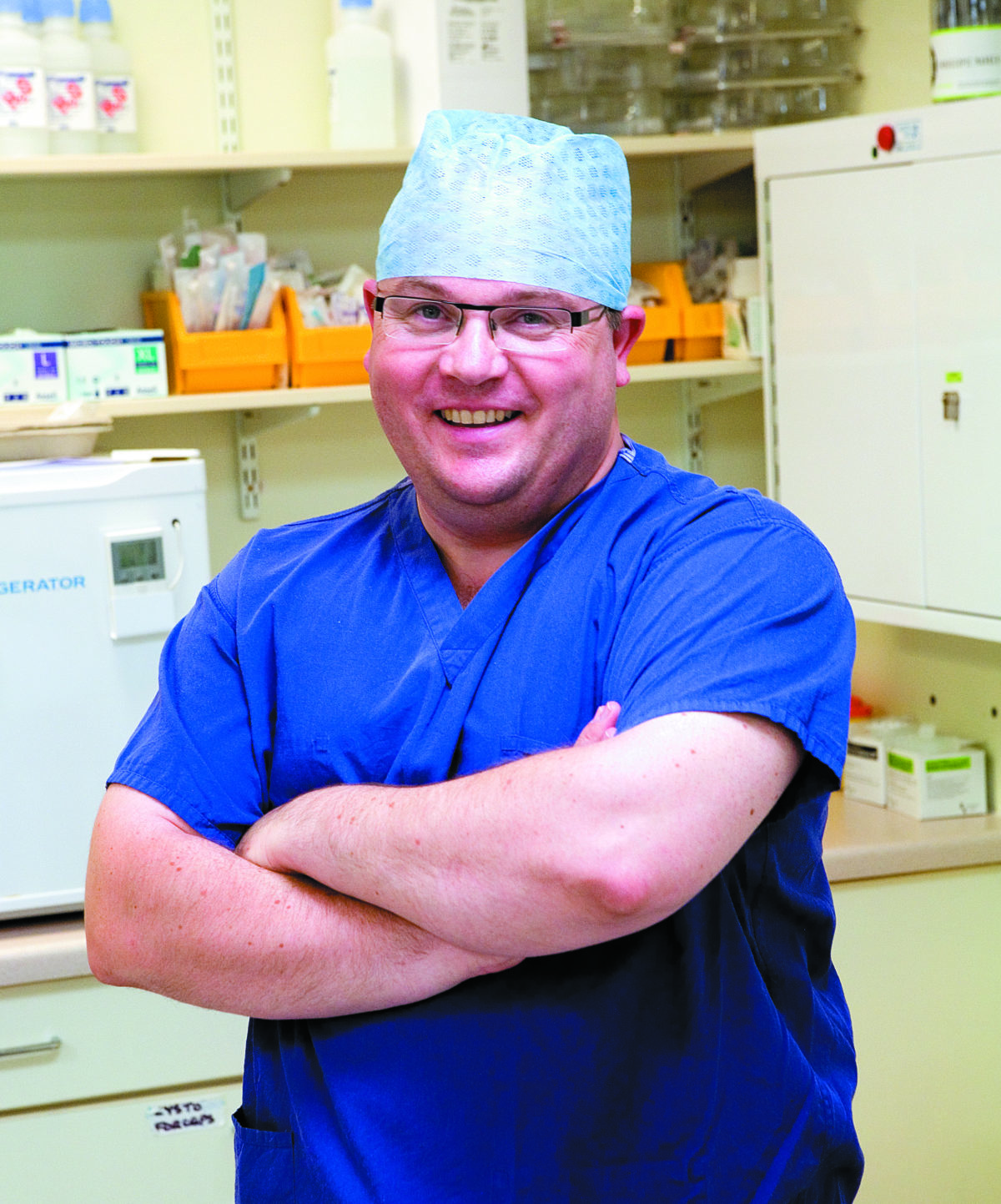
Colostomy UK’s President, and renowned Colorectal Consultant, Ian Daniels talks us through adhesions and blockages, explaining what can be done to reduce the risk of experiencing problems with either.
What are adhesions?
Abdominal adhesions are bands of scar tissue that form between organs and tissues inside the abdomen. They most often develop after surgery, but can also occur after infection, injury, or internal bleeding.
Adhesions may cause chronic abdominal or pelvic pain, small bowel obstruction, and, in some cases, female infertility.
What causes abdominal adhesions?
Most adhesions develop after abdominal or pelvic surgery as part of the body’s normal healing process, usually within the first 3 to 5 days. The risk is higher after lower abdominal, bowel, pelvic, or gynaecological surgery, especially emergency surgery or surgery involving infection.
Keyhole surgery, also known as laparoscopic or robotic surgery, usually causes less tissue trauma than open surgery, so it may reduce the risk, but any abdominal surgery can lead to adhesions. The extent of adhesions varies between individuals and does not always match the severity of symptoms.
Less common causes include pelvic inflammatory disease and radiotherapy to the pelvis.

How do adhesions cause obstruction?
Adhesions can trap or kink the small bowel, restricting the movement of bowel contents and causing a blockage. This is called adhesional small bowel obstruction (SBO).
Small bowel obstruction can occur at any time after surgery. However, we are thankfully seeing this a lot less due to changes in surgical techniques. For example, ensuring surgeons avoid irritants to the bowel, less tissue and organ handling, and an increased use of keyhole surgery in place of open surgery.
Although modern surgical techniques have reduced the risk, obstruction can still occur many years after previous surgery, especially in older people who underwent open surgery for procedures which today are more commonly performed using keyhole surgery, such as appendicectomy, cholecystectomy, or hysterectomy.
Signs and symptoms of adhesional small bowel obstruction
Most adhesions cause no symptoms, but when they do, the most common complaint is ongoing abdominal or pelvic discomfort.
It may mimic other conditions such as uncomplicated diverticulitis, a urinary tract infection, or functional bowel problems such as constipation.
Symptoms of bowel obstruction may include:
- severe abdominal pain or cramping (“colic”)
- abdominal swelling
- nausea and vomiting
- loud bowel sounds, although in some people the abdomen can be silent
- inability to pass wind or faeces, often referred to as “absolute constipation”
A person with these symptoms should seek medical advice immediately, as earlier assessment and treatment can improve patient outcomes.

How are adhesions and obstruction diagnosed?
There is no scan or test that can reliably confirm adhesions themselves. They are usually only seen during surgery.
Bowel surgeons are sometimes asked to help other colleagues such as gynaecologists and urologists with surgery when extensive adhesions are identified.
Adhesional bowel obstruction is now usually diagnosed with a CT scan, which shows enlarged bowel loops above the blockage and empty bowel below it.
As surgeons, we often describe adhesional obstructions like the development of an accident on a motorway. Once the motorway is blocked, the traffic gets held up and the drivers may get irritated (colic). Nothing passes through, so the traffic jam gets longer (nausea) until ultimately some drivers turn around and go back the way they came (vomiting).
Once the blockage has been relieved and the traffic begins to flow again, the delayed traffic speeds through past the point of obstruction and the bowels are often loose and in a hurry.
Most episodes of small bowel obstruction settle with careful monitoring and supportive treatment, but a small number of patients, less than 10%, will need surgery to relieve the blockage.
How are they treated?
Planned surgery for adhesions is uncommon because further surgery can create more adhesions and carries a risk of bowel injury.
When adhesions are causing transit problems, meaning slow bowel movements, symptoms may improve by:
- eating smaller meals
- chewing food well
- spacing meals out during the day
- drinking plenty of fluids
Can abdominal adhesions be prevented?
Adhesions are difficult to prevent completely. However, modern surgical techniques have reduced the risk. Keyhole surgery, gentle tissue handling, reducing blood loss, and lowering the risk of infection all help.
However, all types of surgery, including keyhole surgery, carry some risk and patients who suffer from complications such as a post operative infection or those who require further emergency surgery during recovery have increased risks of all complications, including those related to adhesions.
Many products and methods have been tested to prevent adhesions, but none are used routinely in all cases. In practice, surgeons aim to minimise tissue trauma and infection during surgery.
Historically, the use of talcum powder or starch inside surgical gloves was associated with adhesions. Thankfully, these were removed a long time ago.
How to avoid blockages
Stoma output and consistency depend partly on the type of stoma formed, ileostomy versus colostomy. After surgery, good nutrition is important for healing as the body needs more calories and protein.
To help bowel function and reduce the risk of blockage:
- eat regularly and in a relaxed setting
- have small meals more often
- chew food well
- drink plenty of fluids, especially in hot weather
- eat a balanced diet, including fruit and vegetables, unless certain foods cause problems
- take regular exercise
Some people notice extra wind at first, but this often settles with time. During this period, certain foods should be reintroduced to the diet gradually, as eating sensibly is important to encourage regular bowel function.
Your stoma care nurse can also give you appropriate advice to meet your dietary needs, and we also have plenty of helpful information available.
More than anything, it’s important to remember that eating should still be enjoyable and, with a little care, there is no reason this should not remain the case.
For more dietary advice, visit Colostomy UK’s website, where you can find a booklet on Healthy Eating amongst lots of other information.