

Cervical Cancer Prevention Week – 19th – 26th January 2026
19 January, 2026
Cervical Cancer Prevention Week – 19th – 26th January 2026
Cervical cancer is a cancer that’s found anywhere in the cervix. It’s most common in women aged between 30 and 35, but it can happen at any age.
Cervical Cancer Prevention Week is a time to raise awareness of cervical cancer, the importance of screening, and the long-term impact treatment can have on people’s lives. This year, we’re highlighting the positive difference Isobel has made for people living with stomas.
Following her cervical cancer diagnosis, Isobel’s treatment ultimately led to a permanent colostomy. By sharing her story, she helps raise awareness, break down stigma, and show that life with a stoma can still be active, positive and fulfilling.
Isobel’s story
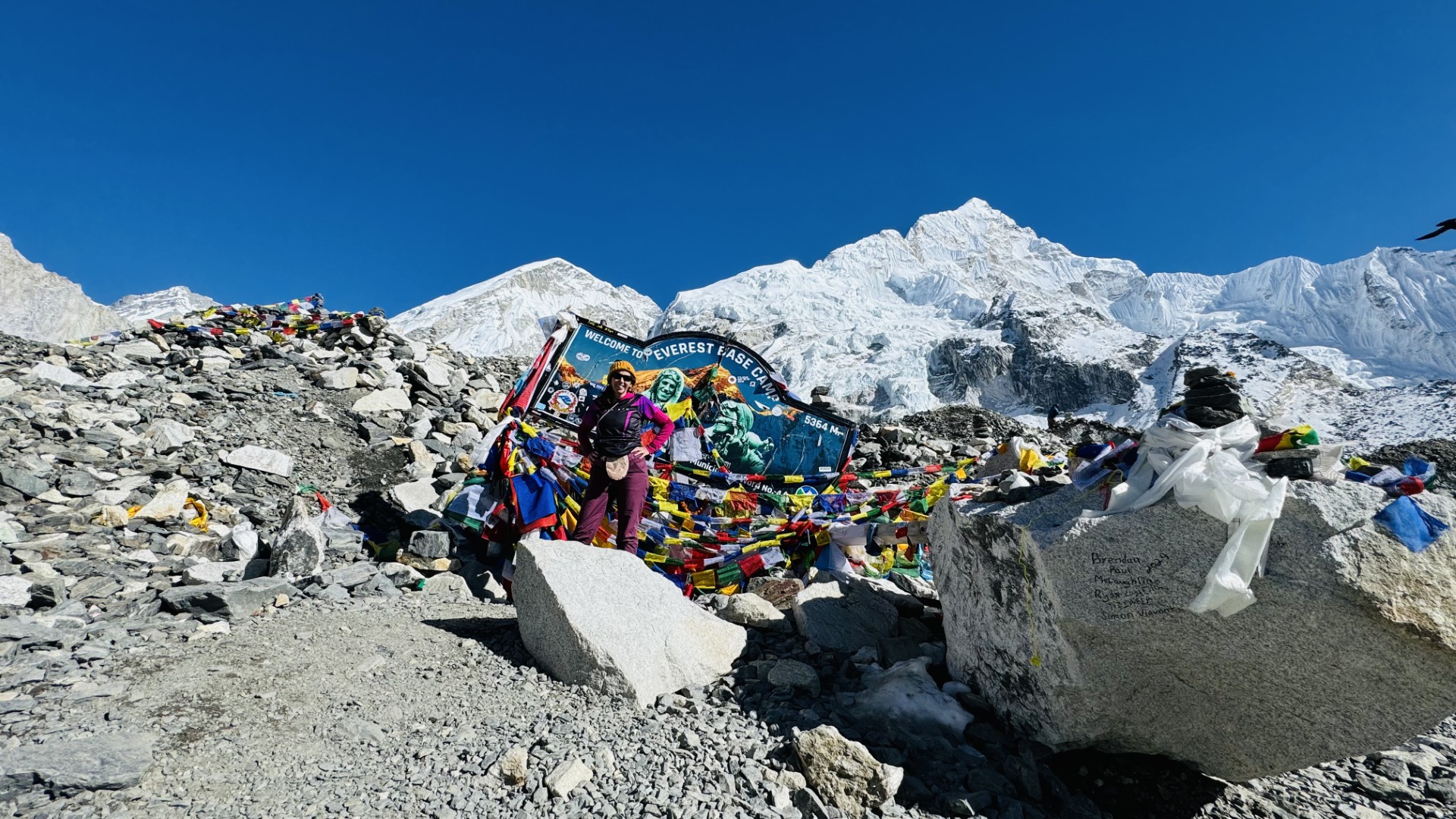
I was diagnosed with cervical cancer in 1997 for which I had to have a radical hysterectomy. I was about to try for a baby which was taken away from me overnight. After a course of radiotherapy, I recovered well. Three 3 years later I developed a tumour in my appendix, this was removed and all was well again. I was then given the all clear in 2005.
In 2010, I got vaginal cancer which resulted in me having major surgery resulting in an ileostomy. Upon having the ileostomy reversed 15 months later, because of the earlier radiation therapy I’d had, my tissues in the pelvic area were severely damaged therefore I ended up having a permanent colostomy.
Like all ostomates, there are many challenges to overcome. Changing the bag using public facilities is never easy, having to think about nutrition constantly is always challenging. Also, when visiting people’s houses and having to change the bag can be embarrassing, particularly the smell and then having to dispose of it. The worst dread is the bag leaking at a very inconvenient time. For example, on a train or at a show. Always knowing where the toilets are in advance is good preparation. I’ve tried and tested a 2-piece colostomy bag which sticks like glue and where I can change just the bag (leaving the flange on the body) which makes it easier to deal with when necessary. Having to always carry supplies with you wherever you go is hassle but in order to keep my mind positive, I tell myself that there is always somebody worse off than me.
I am a very active person and so was devastated at first to discover that I would end up with a stoma. The thoughts of not being able to do the sports activities that I enjoyed taking part in was gloomy therefore I continue to run half marathons, ski, practice yoga, travel, climb mountains and take part in wild swimming. I’ve managed to climb to the summit of Mount Kilimanjaro and trek to Everest Base Camp. Neither were easy with a colostomy but my theory is I’ll worry about complications when they happen and not before.
I like to think I support the stoma community by openly talking about it and pretty much telling everybody I meet that I have a colostomy. The more the public know about stomas the more people are aware of what they are and how they can assist.
Life for me is good. I’ve had ‘Tomas’ (the name I’ve given to my stoma which is an anagram of stoma) for 15 years. I continue to stay active, I’m getting married next year and I plan to take part in a triathlon later this year too. My advice would be don’t think of all the reasons why you can’t take part in anything because you have a stoma but all the reasons why you should continue doing what you can if possible.
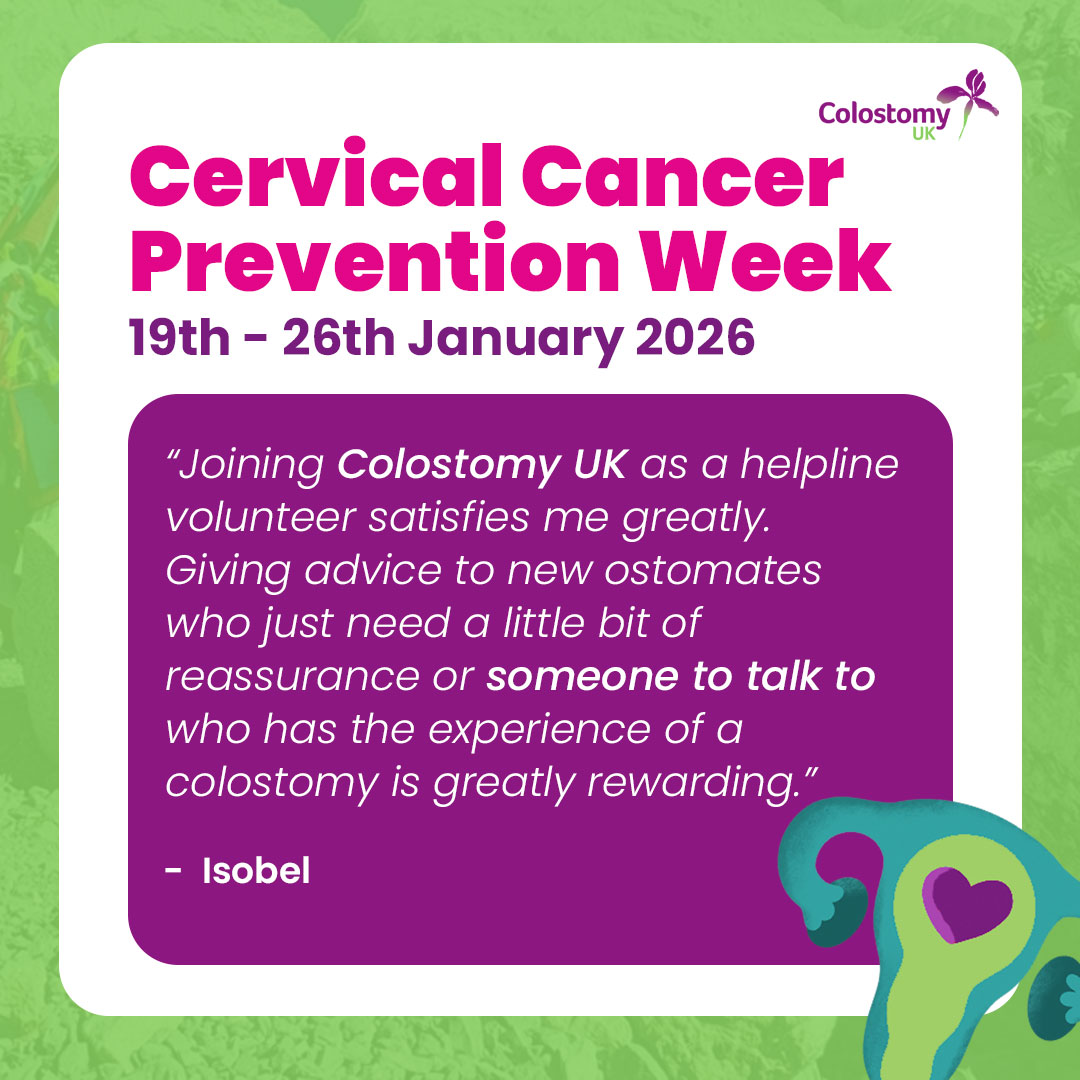
Joining Colostomy UK as a helpline volunteer satisfies me greatly. Giving advice to new ostomates who just need a little bit of reassurance or someone to talk to who has the experience of a colostomy is greatly rewarding.
We offer a wide range of support for people living with a colostomy, including our free Stoma Helpline, live chat support, and opportunities to connect with others through local and online groups. We also provide trusted information and resources to offer practical advice, reassurance, and the confidence to live well with a stoma: colostomyuk.org/support
To find out more information go to the nhs website.