

Stoma Communities in Conflict Zones
13 August, 2026
By Jane Fior
Life with a stoma can be tough no matter where in the world you live. However, for ostomates living in conflict zones the situation can be exceptionally difficult – to say the very least. Here, contributor Jane Fior guides us through the many concerns and challenges experienced by people living with stomas in these contexts.
Life with a Stoma During Conflict
Adapting to life with a stoma is challenging, especially at the beginning when getting used to this change in body image and function.
However, we are very lucky in the UK because we have access to skilled surgery, excellent aftercare with experienced stoma nurses, and most importantly, from then on, a reliable and regular source of pouches, adhesives, flanges and other accessories for which we do not have to pay.
When there is a major emergency somewhere in the world, international humanitarian agencies are quick to respond, addressing the need for shelter, clean water and medical aid. We can donate to the Red Cross, Oxfam, Save the Children, Médecins Sans Frontières (MSF) and many other charities in the hope that this will help alleviate the immediate suffering of civilians caught up in conflict or some natural disaster.
But what about the long-term consequences for populations when the situation is ongoing and individuals somehow have to find ways to cope when normal services no longer exist?
As people who understand the realities of having a stoma, it is impossible not to wonder how our fellow ostomates, adults and children, manage in hospitals in conflict zones, such as Ukraine, Gaza, and Sudan, which struggle to support ostomates in such volatile settings.
Hospitals (already under enormous strain in such circumstances) find they have increasing numbers of patients with abdominal wounds as a result of conflict. Such incidents require urgent treatment, adding more pressures to already precarious health systems.
And following surgery, how do the necessary supplies reach patients who then have stomas when normal distribution routes are disrupted, health centres and pharmacies are out of action, and experienced medical staff are dispersed or no longer available?
Is there anything we can do to help, however limited that help has to be?
The Impact of War on Stoma Care
Before conflict, places such as Ukraine, Gaza, and Sudan had functioning (if often imperfect) health systems capable of providing stoma care. War has drastically reduced their capability.
Medical staff now face the simultaneous destruction of hospitals and infrastructure alongside an unprecedented rise in patients requiring emergency abdominal surgery: soldiers and civilians near frontlines, victims of indiscriminate violence, and people whose existing conditions, including cancer, have gone untreated as health systems have collapsed.
For those left with stomas after surgery, the situation is often dire.
Stoma supplies, including pouches, bases, gauze, adhesive tape and remover, are extremely scarce. A report on a humanitarian mission published in The Lancet describes how the scarcity of wound-care products has led to makeshift solutions: plastic bags, gloves, tissue paper and rags glued and taped to the abdomen being used as stoma bags and dressings.
Distribution networks that existed before conflict, such as regional centres, pharmacies, supplier routes, have been disrupted or destroyed.
Where supplies are still available, the price has often risen sharply, putting them beyond the reach of most people.
Living Without the Basics
There is also the profound difficulty of managing stoma care with dignity while living on the move, in a refugee camp, or in a society where cultural perceptions of bodily hygiene and purity are deeply felt.
Access to clean water, privacy, and consistent supplies – taken for granted by most ostomates in the UK – become impossible to rely on.
The psychological toll compounds the physical: studies of health consequences in conflict settings report very high levels of anxiety, depression and poor quality of life amongst those affected.
Beyond War Injuries
The need extends beyond war wounds alone.
Doctors are faced with patients requiring colostomies as a result of colon cancer – rates of which are steadily increasing and represent one of the most common cancers in some affected regions.
Organisations working through cancer projects at hospitals such as Nasser Medical Complex and Al-Shifa are currently supporting more than 100 patients who require colostomy bags, with availability that is deeply inconsistent: supplies may be accessible at a hospital one week, through a Primary Health Care Centre the next, or not available at all.
This creates significant challenges for patients trying to manage their condition with any reliability.
Small children presenting with abdominal congenital deformities also require life-saving surgery and subsequent stoma care.
Where specialist surgical skill is needed, patients may face complex transfers to facilities in other territories, with aftercare back home difficult to achieve.
How Aid Organisations Are Helping
Aid agencies, both large and small, are doing their best to bring in medical equipment and essential supplies.
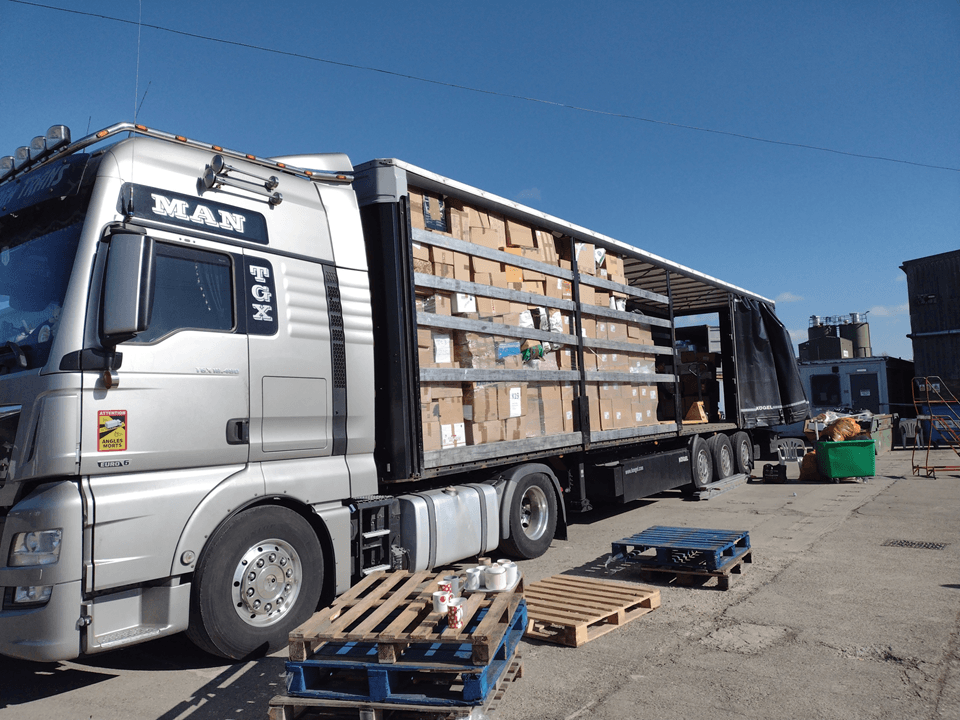
A number of organisations are working to reach ostomates specifically – collecting donated pouches and stoma products, sorting them by size and type, and shipping them by container to local networks in affected areas (these organisations are listed at the bottom of this article).
The difficulties on arrival are immense, however: boxes are often damaged or quickly looted, and staff networks are dispersed as people flee.
Where supplies do get through, they are directed to urban centres, with rural ostomates often unable to access anything at all.
How We Can Help
In the face of such enormous and complex need, it is easy to wonder what as individuals we can offer.
However, raising awareness of the situation facing our fellow ostomates, and donating spare supplies where we are able to do so, will in its small way make a difference to someone who, just like us, is doing their best to cope with life with a stoma.
Organisations Supporting Ostomates in Conflict Zones
Ukraine
Gaza
Sudan
Support From Colostomy UK
We offer a wide range of support for people living with a stoma, including our free Stoma Helpline, live chat support, and opportunities to connect with others through local and online groups. We also provide trusted information and resources to offer practical advice, reassurance, and the confidence to live well with a stoma: colostomyuk.org/support