Stoma Helpline We’re here 365 days a year, 9am – 10pm: 0800 328 4257
Stoma Helpline We’re here 365 days a year, 9am – 10pm: 0800 328 4257



By Sophie Medlin BSc RD Colorectal and Nutrition Support Specialist Dietitian at Torbay Hospital, South Devon Healthcare NHS Foundation Trust
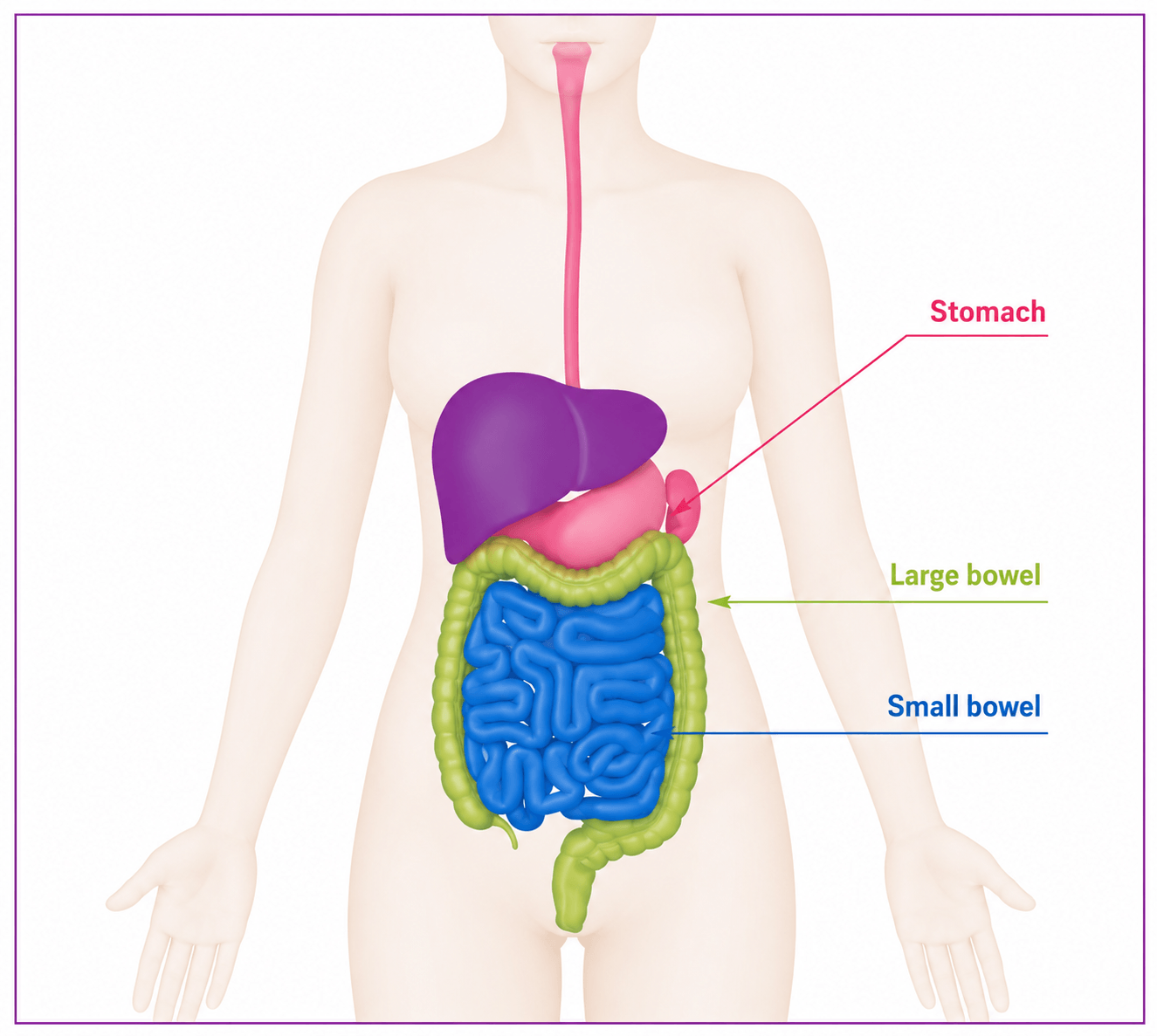
Managing a high output stoma can be very difficult for patients and their healthcare team. High output stomas generally result from complex surgery and the expected volume of output will depend on how far along the small bowel the stoma has been formed. If the stoma is from high up in the small bowel it is likely that the output from it will be high and careful management is required. This is because there is only a short length of bowel available to absorb all the essential fluid, nutrition and salts.
However, some patients with ileostomies in the very last part of the small bowel can also have a high output stoma. In general, people with colostomies should not have a high stoma output, please see the end of the article for further advice.
Sometimes a high output stoma is a temporary problem for instance, if it is very soon after surgery or you have a stomach bug. Also, some chemotherapy can cause a temporary high stoma output so if you are having chemotherapy after your surgery, discuss this with your oncologist or dietitian. Sometimes the raised output may last longer, but a few weeks or months after surgery your bowel may adapt and allow for adequate absorption. For some people, further surgery is required to improve their absorption and for others, a high output stoma is a permanent condition.
Many people find that the volume of stool they empty from their stoma will vary from day to day. This is normal and will depend on what you eat and drink, medications and many other factors. A ‘High Output’ is generally considered to be over 1000ml (1 litre) in 24 hours. If your stoma output remains significantly greater than this over an extended period of time you are at risk of becoming dehydrated, malnourished and depleted of essential salts such as sodium, magnesium and potassium and it is important that you seek help to manage your output.
Measuring Your Stoma Output
If you’re not sure if you have a high output from your stoma (greater than 1000ml) you may find it useful to fill one of your usual bags with water and see what volume it holds. This way, when you empty your bag you will know roughly how much fluid you are losing.
E.g. if your stoma bag holds 400ml and you empty it when it is half full (200ml) three times per day, you will have lost 600ml. Alternatively, your stoma nurse should be able to provide you with a jug which should only be used for measuring your stoma output and discarded once you have finished with it.

Fluids
When, or if, you have a high stoma output, changes to your fluid and food intake will help to prevent dehydration and illness by preventing excessive loss of salt and fluid:
The type and amount of fluid you drink will have a significant impact on your stoma output. All normal drinks will drag salts from your blood stream into your bowel. This salt will be lost in your bag along with the fluid. This means that the more you drink, the worse the situation becomes. When you have a high output stoma it is important that you have fluids which are easily absorbed and stop you from losing salts.
Two examples of these drinks are St. Mark’s solution, which was developed by the intestinal failure team at St. Mark’s hospital in London, and Dioralyte which, should be double the normal strength (e.g. two sachets in 200ml).
These drinks should be used as your main drink and sipped throughout the day. You should aim for one litre per day. You may find that restricting your other fluids to 500-1000ml per day helps, discuss this with your dietitian or stoma nurse for further guidance.
The Recipe for St. Mark’s Solution
- 6 heaped 5ml teaspoons of glucose powder
- 1 level 5ml teaspoon of table salt
- Half a heaped teaspoon of sodium bicarbonate (bicarbonate of soda)
- Stir all ingredients into 1 litre of chilled water with a little squash to taste.
A ‘Rescue Remedy’
As a ‘rescue remedy’ when you are out and about and have had a high output or are thirsty, a packet of crisps and an isotonic sports drink taken together will help to rehydrate you and replace some of the lost salts. In general however, sports drinks do not contain enough salt to have the same benefits as St. Mark’s Solution or double strength Dioralyte so will not be of benefit and can be very expensive.
Alcohol
Be cautious with alcohol as it can increase your stoma output, always stick to the recommended limits of 3-4 units per day for men and 2-3 for women with at least two alcohol free days per week.
Caffeine
Caffeine will also increase your stoma output as it makes the bowel work more quickly. Try decaffeinated drinks instead.
Drinking Around Mealtimes
Avoid drinking half an hour before and half an hour after eating. This will prevent excessive mixing of the food with the fluid and can help you to absorb more nutrients.
Food
To help to replace lost salts it is helpful to add salt to your food. Try to add around a teaspoon per day to your food and add extra in your cooking.
Starchy carbohydrates such as rice, pasta, potatoes, dishes made with maize or cornmeal, low fibre breakfast cereals, oats and chapattis will give you energy and help to thicken your stool. This will slow your bowel and help you to absorb more nutrients and fluid. It is important however to avoid high fibre foods as these will travel through your bowel more quickly. You should therefore always choose carbohydrate foods made with white flour and avoid the skin, peel and pips from fruit and vegetables.
Some people find that the gelatine in jelly sweets and marshmallows is helpful to thicken their output. Try eating two to three marshmallows or jelly sweets before and after meals.
Medications
There are two key types of medication which can significantly reduce your stoma output.
Antidiarrhoeal medications such as loperamide (Imodium) and codeine will slow the bowel down and allow more absorption of food and fluids thus thickening the stool.
Antisecretory medications such as Omeprazole and Lansoprazole are used to reduce the amount of gut juices your body produces. This will, in turn, reduce the volume of your stoma output.
If you are not on these medications and you think they may help you please discuss this with your stoma nurse, GP or consultant. Loperamide is used in much higher than normal doses in high output stomas, if you think you need to take more discuss this with your consultant or GP.
Colostomies
If you have a colostomy and the output is continually high and loose talk to your doctor. If you have had surgery on your small bowel it may be that bile, which is usually absorbed in the last part of your small bowel, is travelling into your large bowel and causing irritation and diarrhoea. If this is the problem is can be improved significantly with medication.
Your Questions Answered…
Q: In the spring issue of Tidings it says drinking peppermint tea can help to reduce wind. I have wind that blows up my pouch, on and off, of an evening, after my tea, but at no other time of day. It only happens now and again, not daily.
Please can you tell me, when I should drink the peppermint tea, at what time of day and how often. As I say the pouch only blows up after my evening meal, which is just a tea meal, not a cooked meal, I have my main meal at about one o’clock.
I have had my pouch for just over five years and am quite happy with everything else. I have just had my eighty-sixth birthday and am over the moon as, after having my scan and blood taken this year, I was given the all clear yesterday.
A: Firstly congratulations on getting the all clear. What wonderful news! What I would firstly suggest is that you make a note of what you have eaten and had to drink on the evenings you get the wind. It may be that you can identify the food that is causing the problem. If it isn’t clear to you, ask to be referred to a dietitian who should be able to see a link.
If you would like to try peppermint tea try 1-2 cups after your meal and another before bed if the wind hasn’t settled. This may not work for everyone but some find it useful.
I hope this helps.
Sophie Medlin
Foods to choose
Cereal foods
- White flour, white bread. White rice and pasta. Ground rice and semolina. Tapioca, sago and arrowroot. Custard powder and cornflour.
- Rice Krispies, cornflakes, Frosties, Sugar Puffs, Cocoa Pops, Ricicles.
- Rich Tea, Marie and wafer biscuits, bourbon, custard cream, cream crackers, Ginger Nuts, Cornish wafers and ‘Ritz’ crackers.
- Plain cakes, plain scones and pastry made with white flour.
- Meringues.
Puddings
- Milk puddings. Jelly, mousse, smooth yogurts without ‘bits.’ Sponge pudding and custard. Crumble topping made with white flour.
Vegetables
- Potato and sweet potato, (without skins) pumpkin, squash. Root vegetables: carrots, parsnip, swede, turnip, beetroot, celeriac. Lettuce, peeled cucumber, skinned & deseeded tomatoes. Cauliflower & broccoli florets (no stalks). Peeled marrow, aubergine & courgette. All vegetables must be well cooked. Remove skins and seeds where possible.
Fruit
- Fruit without pips, seeds and skins. Ripe banana. Canned fruit (not cocktail). Stewed fruit. Avocado.
Foods to avoid
Cereal foods
- Wholemeal or granary flours and breads. Softgrain and oatbread. Brown rice and wholewheat pasta. Wheatgerm.
- Branflakes, wheatflakes, Allbran, Weetabix, Shredded Wheat, Muesli, Ready Brek and porridge.
- Digestives, currant biscuits, flapjacks, cereal bars. Ryvita, Crackerwheat, wholemeal crackers and crispbread.
- Wholemeal cakes, pastry and scones.
- Fruit cake and fruit scones.
Puddings
- All other puddings made with wholemeal flour, fruit or nuts. Yogurts with fruit.
Vegetables
- Potato skins.
- Pulses – peas, beans (including baked beans) lentils.
- Celery, sweetcorn, peppers. Raw vegetables.
- Green leafy vegetables e.g. cabbage, artichokes, French or runner beans, mange tout. Radish, onions.
- Quorn.
Fruit
- Dried fruit. Fresh fruit with peel or seeds. Unripe banana. Strawberries, raspberries, rhubarb, pineapple, prunes.
Note: This advice is general and may not be suitable for everyone. If you are unsure speak to your consultant, dietitian or stoma nurse.